
Blog / Bowie Honda Service

Blog

All Bowie Honda Service DARCARS Honda Bowie Honda Dealer DARCARS Honda Service 2022 Honda Models 2023 Honda Civic 2023 Honda Models Bowie Used Cars MD New & Used Cars Bowie MD 2022 Honda CR-V 2022 Honda CR-V Hybrid 2022 Honda Insight 2023 Honda Odyssey 2023 Honda Pilot Honda CR-V Bowie MD Honda Pilot Bowie, MD Things to do near Bowie 2022 Honda Civic 2022 Honda Pilot 2022 Honda Ridgeline 2023 Honda Hybrids 2023 Honda Passport 2024 Honda CR-V Hybrid Bowie, MD 2024 Honda Odyssey Bowie, MD Auto Finance Bowie Car First Aid Kit Compact Car history Driving Tips Food in Bowie Honda Accord Bowie, MD Honda Civic Type R Features Honda Lineup Bowie, MD Honda Odyssey Bowie, MD Honda Ridgeline Bowie, MD Honda's Best Vehicles for Off-Roading Impressive Tech Features Trim Level Breakdown
Mechanic CLose-up | Bowie, MD

4 Car Maintenance Tips to Keep Your Honda in Great Shape

It's easy to forget your car's recommended maintenance, especially when you're in a rush or have a long list of things to do. But if you don't take care of your vehicle, it could cost you big time! Here are a few tips from your Honda dealer for staying on top of your car maintenance. 4 Car Maintenance Tips From Your Honda Dealer to Keep Your Honda in Great Shape 1.    Oil Changes Your engine has many moving parts, and regular oil changes are a big part of its overall maintenance. If the oil isn't changed regularly, dirt and sludge can build up in the engine, which can lead to overheating and unnecessary wear and tear. Driving the car on dirty oil can cause damage to the motor and other parts of your vehicle. So don't skip the oil change! 2.    Check Your Tires Check your tire pressure once every month or more frequently if you drive a lot. Your tires keep you safe while driving, and if they aren't inflated properly, you'll likely have problems with traction and handling. That's not something any driver wants. Most vehicles have a sticker with recommended tire pressure printed on the inside of their door, or you can consult your owner's manual or online. more You should also check your tires for physical damage, such as cracks, splits, and bulges. If there are problems, take care of them immediately before they worsen. And be sure to check the condition of your spare tire and ensure it's ready to use if needed. 3.    Sounds and Smells Unusual smells and sounds are usually an indication that something is wrong. Bring the car into our service department if you hear any weird sounds or notice odd smells. You could end up saving yourself a lot of money in the long run! 4.    Get a Multi-Point Inspection Getting a multi-point inspection is one of the best ways to ensure that your car is in good shape. These inspections can help identify any issues with your vehicle before they become big problems and cause you to spend more money than necessary on repairs.   A multi-point inspection is when your mechanic checks the major systems in your car, such as the engine, transmission, brakes, and electrical system. The inspection includes all vehicle fluids, tire treads, the exhaust system, and fuel lines. The idea is that if any of these systems are not functioning correctly, it could lead to a breakdown or accident.   Most people don't think about their cars until something goes wrong with them. You can help prevent problems from developing if you get your car checked out regularly for things like tire pressure, fluid levels, and brake wear. Schedule a service appointment with DARCARS Honda. We'll take care of your car, so you can get back on the road in no time!


Honda Service Center | Bowie, MD

What Can You Learn From an Engine Diagnostic?

When your Honda car starts to feel like it's not running quite right, the best thing to do is take it in for an engine diagnostic at your local Honda dealer. They will be able to tell you what's wrong with your car and help get it back on the road in no time. Read on to learn some of the things dealers can tell you about your car's engine based on the results of an engine assessment. What Can You Learn From an Engine Diagnostic at Your Local Honda Dealer? Engine Problems When you take your car in for an engine assessment, the mechanic will hook it up to a computer that can tell them what parts of the engine are not functioning properly. Several engine problems can be diagnosed in this way. For example, if the engine is misfiring, it could be because of a problem with the spark plugs or the ignition system.   A leaking head gasket can cause the engine to overheat, and a worn camshaft seal can cause oil to leak into the combustion chamber. These are just some of the common engine problems that can be diagnosed. more Fuel System The fuel system is responsible for supplying the engine with the right mix of fuel and air, and it needs to be in good working order for the engine to run properly. Several problems can occur with the fuel system, and these can often be traced back to issues with the fuel injectors, fuel pump, or fuel lines. Transmission The transmission is responsible for transferring power from the engine to the wheels. Common problems with the transmission include fluid leaks, shifting issues, and grinding noises. These problems can be caused by many issues, including low transmission fluid levels, worn-out parts, or leaks in the seals or gaskets. Sometimes, the problem can be fixed simply by topping off the fluid levels or making a few adjustments. Great Deals on Service and Parts When your engine light comes on, it's time to go for service or repair at your dealer. Many people put this off because they think it will be expensive, but the truth is that you can often snap up great deals on service and parts when you go for a computerized engine assessment. Not only will you get a professional opinion on what is wrong with your car, but you may also be able to get genuine parts that are on sale.   A car engine diagnostic can help you understand what is wrong and how to fix it. Call us today at DARCARS Honda in Bowie, MD, to schedule a time for your car. We always aim to provide competitive prices and excellent customer service.

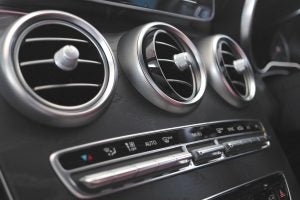
Car AC | Bowie, MD

Is Your Honda's Car AC Not Working?

When's the last time you serviced your car's air conditioning system? To prevent problems, you should see the mechanics at the Honda dealer at least once every two years. If you notice your car AC not working, you should book an appointment immediately because issues such as a leak could cause further damage. Let's look closely at what could be causing your AC trouble and how you can keep your Honda in great shape. Why Is My Car AC Not Working? You should speak to a professional mechanic to determine why your car's air conditioning system is faulty. They can check whether there are any fluid leaks, which can be dangerous because the coolant combines with water to form an acidic substance that corrodes your car. What's more, your mechanic will check for electrical issues and problems with the various parts of your air conditioning system, such as the condenser, the cooling fans, or the compressor. How Often Do I Need AC Service? Even if your AC is working perfectly, you should have it looked at by a professional regularly. That way, you can prevent breakdowns at inconvenient times. Most Hondas need to have the air conditioner serviced every two years, but you should check your vehicle's manual or speak to a mechanic to find out more. If your car is older, you might benefit from annual service. more Even if it hasn't been two years since your last diagnostic check, you should visit your mechanic if you notice any changes to how the AC works. Some telltale signs of a problem are a warning light on your dashboard, hot air coming out of your AC, and trouble switching your AC on or off. Remember, you don't want to be stuck on a long, hot trip without a cooling system, so it's always better to visit your dealer if in doubt. How Can the Honda Dealer Help? When you arrive at the Honda service center, we will have a look at your car to find out why your air conditioning unit is malfunctioning. Your mechanic will run a series of tests and then tell you the issue. They will also give you a quote, so you know how much the repair will cost. Usually, AC problems can be fixed within a few hours, so you might be able to pick your car up on the same day.   The last thing you want in the summer is a problem with your car's AC. For this reason, you should have the system inspected by a qualified Honda mechanic at least once every two years. If your AC malfunctions, you can contact our Honda service center, schedule an appointment at DARCARS Honda in Bowie, MD, and have your AC repaired by our technicians as soon as possible.

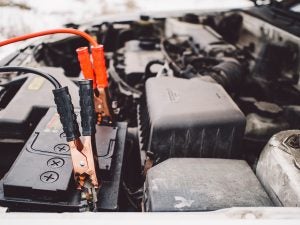
Jumper Cables | Bowie, MD

6 Items Maryland Drivers Should Have in a Car Tool Kit

Whenever you're driving outside of the city limits, it's essential to have a well-stocked car tool kit. You never know when you'll need it, but having the right tools available can save you time and stress. These are some of the items that every driver needs to keep in the car for emergencies. 6 Items To Keep in Your Car Tool Kit in Bowie, MD 1.    Jumper Cables If your car battery suddenly dies, you'll need a jump start. Not every driver carries jumper cables. If you have a set in your car, you're all set when a passing driver stops to assist you. We recommend choosing heavy-duty long cables. They provide the best connection, and long cables are helpful if you are getting a jump start from a car behind you. 2.    Multi-tool A good quality multi-tool can help you in many ways. They have a knife, a selection of screwdrivers, wrenches, and various invaluable tools in a small package. They're light and easy to carry and can provide the perfect tool for many occasions. When choosing a multi-tool, it's essential to choose a strong, high-quality one. more 3.    Fire Extinguisher We hope you won't need a fire extinguisher, but it's always better to be prepared. Numerous fire extinguishers are available for use on electrical and non-electrical fires. When choosing an extinguisher, the best option is a combination extinguisher that will work on both types of fires. Using a foam extinguisher on an electrical fire will permanently damage the electrical component. 4.    Flashlight Not all emergencies happen during the day. A good flashlight is invaluable if you have to pull over on the side of the road at night. There are numerous types of flashlights available. We recommend a heavy-duty flashlight LED that can also bend to hook on surfaces. Depending on the situation, you may need to hook the flashlight on something and have both of your hands free. 5.    Spare Cellphone Charger Cellphone batteries run down, and most drivers don't carry a spare recharging cable in their car. If you add an extra cable to your tool kit, you'll be able to recharge your cellphone from your car. The ability to recharge can be vital if you need to guide someone to where you and your car are. 6.    Water While it's not a tool, water is essential. If your car breaks down in an isolated place, you can easily get thirsty while you're waiting for help to arrive. Sealed water containers are perfect for preventing dehydration. We recommend keeping at least half a gallon of water for emergencies.   If you'd like more information about other tools, you'll need, come in and see us at DARCARS Honda.

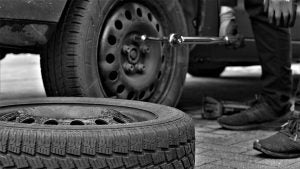
Man changing tires | Bowie, MD

5 Signs Your Honda Could Use New Tires

The tires on your Honda Passport, Pilot, or Ridgeline must be in excellent condition to ensure proper handling and control. The signs below will warn you when it's time to visit your Honda dealer for a set of new tires to ensure your safety on the road. 5 Signs Your Honda Could Use New Tires from Your Honda Dealer 1.    You Can See the Wear Indicator Bars The flat rubber bars that run perpendicular to the direction of the tread on your tires are called wear indicator bars. When your tires are new, you will barely notice the bars, but the wear indicators become more visible as the tires wear down. If you can see the wear indicator bars, the tread is worn, and the tire must be replaced. 2.    The Treads on Your Tires Are Worn When your tires lose the ability to grip the road properly, your safety is at stake. The treads on your tires give you the traction you need to accelerate, corner, and brake safely. Inspect all four tires thoroughly and use a tire tread depth gauge if you have one handy to measure the grooves. more If the tread depth is lower than 2.32 inches, it's best to replace your tires. You can also stick a penny with Lincoln's head headfirst into the grooves. If you can see his head, the grooves are too shallow, and the tires need replacing. 3.    The Tires Are Wearing Down Unevenly Your car's tires don't wear down at the same rate. The front and rear tires wear down differently because of their functions. If you see that the tread on one side of a tire is worn while another section looks fine, it could be caused by misalignment or incorrect inflation. If you regularly get tire rotations, it will also reduce uneven tread wear. If your tires are worn unevenly, ask your Honda technician to inspect the tires to determine if you need a new set. 4.    Your Tires Are Damaged Regularly check the sidewalls of your tires for damage. Your tires could start leaking if you see cuts and cracks caused by wear and age. You will see bulges when the outer surface of the tire weakens. Cuts, cracks, or bulges can cause a blowout, and it's best to replace the tire as soon as you notice any damage. 5.    Your Tires Are Old Most tire manufacturers recommend getting a new set of tires after six to ten years, even if the tread is still good, to ensure road safety. Over time structural changes occur in the tire's rubber due to extreme temperatures, road conditions, and ultraviolet rays that will affect your car's handling and braking performance. You can check the replacement specifications of the brand of tires on your vehicle or ask your Honda technician for assistance.   Make a habit of checking your tires. If the treads are worn, or you see cuts, cracks, or bulges, it's best to replace the tires as soon as possible. Stop at DARCARS Honda for a thorough tire inspection, top-quality tire brands, and expert tire installations. Also, check out our tire specials and take advantage of our offers.

Car driving in one way street | Bowie, MD

3 Tips for Managing One-Way Streets in Maryland Cities

Driving on one-way streets can be a different experience for many drivers who aren't familiar with them. The rules are slightly different when you drive on a one-way street. We'd like to give you some tips to help you feel more comfortable driving on these streets in Bowie, MD. 3 Tips for Driving on One-Way Streets in Bowie, MD Watch for Oncoming Traffic When you're driving on a one-way, it can be tempting to relax more. After all, you don't have to worry about traffic coming toward you. It's important to remember that not every driver is familiar with this type of street or our street layout. A new driver or a visitor from out of town can make a wrong turn, and you could be faced with a car coming toward you.   If this happens, it's essential to try and get the other drivers' attention. They may not have realized that they're driving the wrong way. Use your horn to get their attention, but also be prepared if you need to pull over to allow them to pass you. When they realize their error, many drivers will try to stop and turn around to drive in the correct direction. more Choose Your Lane Carefully Even though the traffic can only go one way, you still need to be aware and choose your lane. If there are multiple lanes, the center lane is usually the safest with the fewest hazards. You'll reach an intersection at some point on the street, and you'll need to ensure that you're in the correct lane for the direction you want to go. You may need to go to the right or left into another one-way street.   If you're turning left into a one-way street, make sure you're in the left lane. Use your turn signal to show you're turning. Once you're sure it's safe to do so, turn to the left and continue your travels. If you're going to turn right, be sure you're in the far right lane and use your turn signals. Turn to the right as soon as you see it's safe to do so. Watch for Street Signs A one-way road sign has a white arrow on black with the word "One Way" on it. This sign will always point in the direction of travel on that street. The speed limit may also be different from the street you've turned in from, so make sure you're not exceeding the new limit. You will also see a sign before you come to a junction that shows the directions you can go and the lanes to use.   If you want to turn into a side street when driving on a one-way, check for the sign showing which direction you can turn. Some side streets will also be one-way only, and you don't want to drive the wrong way down a one-way street.   We're sure these tips will help you understand the one-way system easier. DARCARS Honda invites you to come in and see our incredible selection of new and used vehicles.

2022-Honda-CR-V | Bowie, MD

3 Keys to Getting a Quality Collision Repair for Your Honda

Even the best drivers can be involved in a collision. If your Honda has been damaged during a car crash, you should get it repaired as soon as possible to prevent further damage. At your local Honda dealer, all the technicians have been trained to work with this brand specifically, so they'll identify and fix any issues quickly. Let's look at how you can get excellent collision repair and what you should expect from your mechanics. 1.    Book an Appointment with the Honda Dealer The brand-name dealership is the best place because our mechanics are highly skilled and experienced. You should call and book a repair to get started, then bring your Honda to the technicians at the appointed time. The mechanics will examine the inside and outside of the car and make a detailed note of any problems.     They will then get back to you with their results and recommend a course of action. You can also ask them about the estimated price of the repairs. A good mechanic can always give an accurate estimate, although the price of parts can fluctuate slightly. more 2.    Get a Record of the Damage To ensure the quality of our repairs, we always take before and after photos. Our customers can see what we have done with the car and which elements we have worked on. This is also very helpful when working with insurance companies.     If you're making an insurance claim, you'll have to prove that your car was damaged in a collision. In some cases, an assessor is asked to examine your vehicle before gaining access to your insurance funds. We will always wait until you've sorted out your insurance and confirmed that you're happy for us to carry out the repairs. 3.    Review the Repairs at the End Once you've negotiated with our mechanics and your insurance provider, we will fix your car and replace any damaged parts with original equipment manufacturer components. If the repair is minor, you might be able to wait at the dealership, but you will have to leave your Honda with us overnight if there is a lot of damage.   When you come back to collect the car, we will go through the repairs with you, so you can double-check that we've done everything you've asked for. Because we always use genuine parts, your vehicle will look and drive as good as new. Moreover, all our repair services and spare parts come with a warranty, which means that you won't have to pay twice for the same service.   After a collision, you should book an appointment with us at the service center. We will examine your car closely to find out the problems, record the damage, and complete the necessary repairs. Every stage of the process is transparent, so you will know exactly what is happening to your car. Contact us at DARCARS Honda in Bowie, MD, to speak to an expert about Honda repairs.

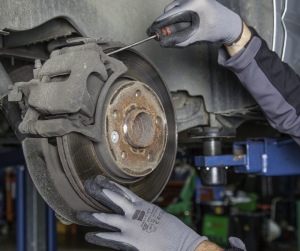
Mechanic Fixing the Brake Disc | Bowie, MD

3 Benefits of Getting Regular Brake Service

Over 300,000 road accidents are caused by brake failure in the US each year. Even the highest-quality brakes can eventually stop working if they're not well maintained. Periodical brake service at your local Honda dealer is essential for proper car maintenance. If you're not already convinced of the importance of having your brakes regularly inspected, here are three reasons to have it done without fail. Find Brake Fluid Leaks Early On the rare occasion when brakes fail, leaking brake fluid is a common cause. All modern brake systems work with a hydraulic system where hydraulic pressure amplifies the force of your foot on the pedal, allowing you to apply enough pressure to stop the car. The primary purpose of brake fluid is to maintain this hydraulic pressure.   Brake fluid is usually colorless, with a consistency similar to vegetable oil. You could have a brake fluid leak if you ever notice a puddle of liquid with a similar consistency under your car. But you might well miss it. During a brake inspection, any leak or potential leak will be found by the technician and fixed before it can cause trouble on the road. more Replace Worn Out Brake Pads Brake pads do most of the work when you stop your car. Your pads clamp onto the rotors, creating enough friction to slow and stop the vehicle. The enormous pressure created each time you press the pedal eventually wears down the upper friction layer of a brake pad. When the friction layer is almost entirely gone, you need to have the brake pad replaced.   When a brake pad is on its last legs, you'll begin to hear high-pitched screeching or grinding sounds. But there's no need to wait for this kind of warning to take you by surprise. Regular brake servicing will ensure you always know the exact state of all your brake pads and when each one will need to be replaced. Resurface Scored Rotors The rotor discs for each wheel can also become damaged by overusing your brakes. If you're driving in heavy stop-and-go traffic or over hilly terrain requiring continuous braking, your rotors might begin to overheat. Overheating can warp rotors or allow them to become scored and damaged by the brake pads.   Any such damage to a rotor can be fixed once or twice by resurfacing. This is where the technician removes some of the metal, recreating a smooth surface. But unless you're highly sensitive to the vibrations that a scored or warped rotor creates, you're unlikely to notice a damaged rotor. It will probably take a complete brake inspection to identify and repair the problem. How a Honda Dealer Services Your Brakes The technician will first check and top up your brake fluid during every brake inspection. They'll inspect all the hoses and connections before raising your car to remove the wheels and brake components, including the rotors, pads, and calipers. Any damaged parts will be repaired or replaced. And finally, everything will be thoroughly tested.   To have certified professionals inspect and service your brakes today, visit DARCARS Honda or schedule your service appointment online. We're a friendly dealership with knowledgeable staff dedicated to providing the region's finest value for money and customer service.

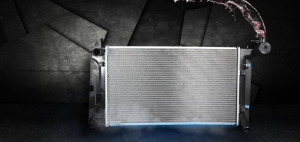
Car Radiator Close Up | Bowie, MD

Does Your Honda Need a Radiator Repair?

Your car's radiator is essential for the long-term health of your car's engine. It removes the heat from your engine and keeps your vehicle at a safe operating temperature. If your engine is allowed to run too hot for too long, the heat will cause severe damage to components like the cylinder heads and the engine block. These components are costly and time-consuming to replace. DARCARS Honda is here to help when you need a radiator repair quickly. Damaged Thermal Switch Coolant is released into your engine when the engine temperature gets too high. Coolant is pumped through your engine and absorbs the heat. The hot coolant enters the radiator and passes through rows of thin metal tubes. Air blowing through the radiator grille blows over the tubes and cools the liquid. The coolant then leaves the radiator and begins the process again. This system works perfectly when your car moves, but what happens when your vehicle is stationary and idling?   When your car is stationary and the heat rises, coolant is still brought into the radiator. Since there is no airflow, a fan attached to your radiator switches on; this fan blows cool air over the radiator tubes to reduce the heat and expel it from your engine. The thermal switch controls this fan. It's an extremely simple component, but if it fails, your car can quickly damage the switch that prevents the fan from coming on. more Damaged Radiator Cap The radiator cap is attached to the top of your radiator. It keeps the coolant from escaping from the radiator and maintains a high pressure in the cooling system. If the pressure in the cooling system rises too high, the cap will open slightly and bleed off the excess strain. This cap is securely attached, and it has rubber seals for a perfect fit. Over time, however, these seals can dry out and crack, and coolant can escape.   A coolant leak from the radiator cap doesn't spray coolant around as a damaged hose does. The coolant will escape through the damaged seal and leak onto the radiator. The heat of the engine will dry it up very quickly. You can see if there's been a coolant leak by examining the top of the radiator. White streaks around the radiator cap signify that the seal has been damaged. Blocked Radiator Grille Your radiator grille allows cool air to enter your engine, and it provides a vent for removing hot air from the engine. Dust and debris thrown up from the road can also get into the grille. This dirt and debris can block the grille and damage the thin tubes on the radiator behind the grille. The front of a grille is easy to clean, but we would have to replace the radiator if the pipes are damaged.   If your radiator doesn't seem to be working correctly, contact us at DARCARS Honda as soon as possible or schedule an appointment online today!

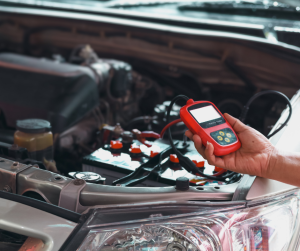
Car Battery Service | Bowie, MD

Time for a New Car Battery? Visit Your Bowie Honda Dealer Today

A car's battery has the vital duty to supply the power to start your engine. When your car is at rest, the battery also provides the power to maintain the alarm, dash lights, and other systems. A battery will eventually reach the point when it can't be recharged. When you need a new car battery in Bowie, MD, your Honda dealer can install a new one. These are some signs that it's time for a new battery. Faulty Alternator One of the functions of the alternator is to recharge your battery. When your engine is running, the crankshaft turns and produces mechanical energy. The alternator is disconnected to the crankshaft via the alternator belt, turning this mechanical energy into electrical energy. The energy is then used to power your car's electrical systems and maintain your battery at full charge.   An alternator is designed to last for many years, but it will eventually start to weaken. The weaker your alternator becomes, the less electricity it will produce. If the alternator is not replaced, it will fail and stop producing electricity. Without a constant supply of electricity, your battery will drain and die. Parasitic Drain As we've seen, your battery maintains several electricity systems when your car is parked. A healthy battery has more than enough power to retain them until you start your car again. A problem occurs if one of the electrical components that should shut down fails to switch off. Several possible culprits can be responsible, including the light in your glove box and the inside light in your trunk. more If one of these components doesn't switch off, it will continue to consume power, known as parasitic drain. When your engine is switched off, your battery has no way to recharge, and it will start to lose power. If your car worked perfectly last night and your battery is dead today, the most likely cause is a parasitic drain. Our technicians have the technology to find the component that drains the battery and replace it. Slow Starting When you turn the key, the battery sends a large electrical charge to the starter solenoid to start your engine. If you try and start your engine, and you merely hear a sad click-click, your battery is probably failing. When your battery ages, it loses some of its recharging capability. A weak battery won't have the power to start your engine immediately, and it will need extra time to build up the required power.   Your battery may not be the problem, and it could also be the fault of a weakening alternator or a damaged starter solenoid. Our expert technicians will examine your car and repair the problem.   A worn-out battery could leave you stranded. To prevent that from happening, contact us at DARCARS Honda. Our technicians will replace your dead battery, and you'll be on your way again in no time.

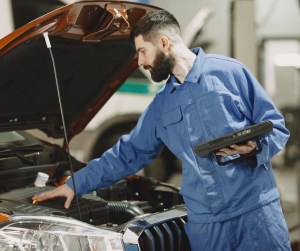
Man looking under Car hood | Bowie, MD

4 Signs your Honda Could Use a Transmission Repair

Honda cars are remarkably durable. But over time, even a Honda's transmission can run into trouble, especially if it isn't well-maintained. As your transmission is vital to running your car, any problems should be handled quickly at your local Honda dealer or by any trusted technician. Have you noticed the following four signs that your vehicle might require transmission repair? 1.    Slipping Clutch Both manual and automatic gearboxes use a clutch, which naturally begins to wear down over time. When a clutch starts to fail, you'll notice slight problems in moments when your engine comes under more pressure, such as on steep inclines or while passing other vehicles.   A slipping clutch has lost some of its gripping power, causing it to struggle to engage or disengage fully. This makes it challenging to stay in gear, so you might find that your car suddenly slips into another gear. It can also become difficult to change gears smoothly. A slipping clutch will only get worse unless it's sorted out promptly. 2.    Slipping Gears Here's another minor annoyance that can become a significant problem if not attended to quickly. Slipping gears, or transmission slipping, occurs when gears wear down or round out from years of use. You might experience this problem in many ways. more Your vehicle might become slow to respond or even completely unresponsive when you hit the gas. You might also notice strange noises or changes in pitch when you change gears. None of these signs should be ignored. 3.    Low Fluid The majority of transmission problems are fluid problems. Transmission fluid tends to break down over time due to friction and heat. When it gets too low, old, or dirty, it will no longer disperse heat or lubricate the parts correctly. Over time this can lead to costly transmission problems as the mechanical parts start to overheat and break down. You can avoid this by changing your fluid at your local Honda dealer.   If your fluid's running low, you'll notice strange grinding sounds, jumping RPMs when trying to shift gears, and even sudden inexplicable gear shifts. The solution is simple: get your fluid changed. For manual gearboxes, it's generally recommended to change your fluid every 30,000 to 60,000 miles. For automatic transmissions, you should replace them every 60,000 to 100,000 miles. 4.    Leaking Fluid A somewhat more immediate problem is if your fluid is leaking. Heat and debris from the road can sometimes cause cracks in fluid lines, torque pumps, or axle seals, which will create a leak. If you leak, you'll notice small pools of sweet-smelling, red liquid under your car when you stop. Fortunately, transmission fluid leaks are relatively inexpensive to fix.   All of the above problems can be kept minor with early diagnosis and repair. For your peace of mind, head down to DARCARS Honda to have your transmission checked today by certified professionals.

Icy Road | Bowie, MD

Winter in Bowie: How to Stay Safe on Icy Roads

Bowie, MD, can face some harsh wintery conditions. When winter weather conditions hit, there are specific tips you can follow that make navigating snowy or icy roads a little safer. Follow these tips, and you'll be able to keep yourself, your passengers, and your vehicle safe. Avoid Driving if Possible The best way to stay safe in winter weather conditions is not to drive at all. Unless there is a necessary reason that you need to go out, consider leaving your plans for a later time when conditions begin to improve. Of course, sometimes this isn't an option for various reasons, which is when these other tips will be helpful. Slow Your Speed While you should never travel at unsafe speeds and always pay attention to speed limits, managing your speed is especially important during winter weather conditions. Ease off the accelerator and travel at a reasonable pace when conditions become risky. more Don't Slam on Your Brakes Avoid the temptation to overreact and slam your foot down on the brake pedal when you begin to slip while you're driving on icy or snowy roads. Hitting your brakes with too much force can send you into a slide that can lead to dangerous situations. Instead of slamming the brakes, travel at low speeds and gently apply the brakes if you need to slow down or stop. Steer Into a Slide One essential driving skill to learn is how to regain control of your vehicle in a slide. While it can seem counterintuitive, you can do this by steering into the slide, rather than against the slide. Turning against the slide may be your instinct, but doing so actually increases the likelihood of losing control. Avoid Steep Inclines Your vehicle's ability to get traction worsens when you're on an uphill or downhill slope. Plan your route to avoid steep slopes if at all possible. If you do find yourself driving uphill or downhill during winter conditions, apply extra care to make sure the momentum of the slope doesn't cause you to lose grip on the road. Equip Your Vehicle In some cases, you may wish to seek additional equipment for your vehicle to better prepare it for when roads get slippery. Winter tires or chains can help provide extra traction in difficult conditions, so consider getting them for yourself if you plan to do regular driving in the winter months. Wear Your Seatbelt While this advice holds in all seasons, buckling up when faced with inclement weather is even more critical. Make especially sure that everyone riding with you is wearing their seatbelt before you set out during winter conditions, as you should before any drive.   If you want more tips on how to stay safe during winter conditions and you’re interested in car maintenance service to prepare your vehicle for all seasons, see our team and let us help you. Visit DARCARS Honda today!

Contact Us

Fill out this form below and we'll contact you shortly
*Required Fields