
Blog / Bowie Honda Service

Blog

All Bowie Honda Service DARCARS Honda Bowie Honda Dealer DARCARS Honda Service 2022 Honda Models 2023 Honda Civic 2023 Honda Models Bowie Used Cars MD New & Used Cars Bowie MD 2022 Honda CR-V 2022 Honda CR-V Hybrid 2022 Honda Insight 2023 Honda Odyssey 2023 Honda Pilot Honda CR-V Bowie MD Honda Pilot Bowie, MD Things to do near Bowie 2022 Honda Civic 2022 Honda Pilot 2022 Honda Ridgeline 2023 Honda Hybrids 2023 Honda Passport 2024 Honda CR-V Hybrid Bowie, MD 2024 Honda Odyssey Bowie, MD Auto Finance Bowie Car First Aid Kit Compact Car history Driving Tips Food in Bowie Honda Accord Bowie, MD Honda Civic Type R Features Honda Lineup Bowie, MD Honda Odyssey Bowie, MD Honda Ridgeline Bowie, MD Honda's Best Vehicles for Off-Roading Impressive Tech Features Trim Level Breakdown
Honda Vehicles | Bowie, MD

2 Honda Hybrid Options You'll Find in the 2023 Lineup

There are two Honda hybrid options available in 2023. A visit to your local Honda dealer, DARCARS Honda, allows you to check out both the Honda CR-V and the Honda Accord. New Honda Hybrids In 2023 Both hybrids available from Honda are similar to their conventional counterparts. The Accord is a mid-sized, four-door sedan, while the CR-V is a small SUV. If you're new to hybrids, checking out these models, which Honda has a long history with, can be a great way to decide if a Honda hybrid might be right for you. more 1.    The Honda CR-V Hybrid The CR-V Hybrid offers versatility and value in both front-wheel drive and 4-wheel drive. Look for the Sport and Sport Touring models, which come with a hybrid powertrain. The CR-V EX, EX-L, and LX are traditional gas models. Fuel Economy The straight-gas version of the CR-V is rated at 30 mpg (combined). The hybrid model bests that with the front-wheel drive model rated for 40 mpg and the all-wheel drive model EPA-estimated at 37 mpg. In general, expect to get the best mileage with your hybrid vehicle in around-town driving, where the CR-V's hybrid powertrain shines. Everything Else The CR-V's infotainment system is easy to use, with a 7-inch touchscreen standard and an available 9-inch upgrade. The CR-V has wireless compatibility with both Apple CarPlay and Android Auto. Cargo space is generous for a small SUV, with 39.3 cubic feet available behind the rear seats. Unlike some hybrid models, you get the same storage in both the hybrid and non-hybrid models of the CR-V. 2.    The Honda Accord Hybrid Honda is adding to its hybrid lineup in a significant way with the Accord. Of the 6 models available in 2023, 4 are hybrid. The hybrid powertrain is the same used in the CR-V, a 204-horsepower, four-cylinder. Digital gauge displays are standard on the Accord in 2023, and you can upgrade the infotainment system to a 12.3-inch screen. Fuel Economy The Accord Hybrid offers an impressive 51 mpg during in-town driving and 48 mpg during highway trips, which compares favorably to the 29-city and 37-highway the straight-gas model offers. Everything Else The Honda Accord Hybrid is a great-looking sedan that is fun to drive. With 16.7 cubic feet of cargo space, the trunk offers plenty of room to stow your gear. With 4 hybrid models to choose from, it is apparent that Honda sees the Accord as a great option for hybrid shoppers. The Sport, EX-L, Sport-L, and Touring models are all excellent hybrid choices. Stop by DARCARS Honda today to learn more about Honda's hybrid options and take one for a spin.

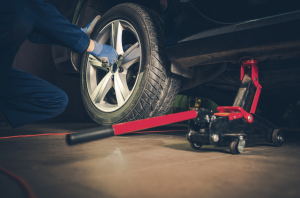
Tire Rotation | Bowie, MD

Why Preventative Maintenance Is Crucial for Your Honda

Preventative maintenance is essential for your car's health. Regular maintenance allows any potential issues to be identified so we can repair them and prevent future problems. As your Honda dealer in Bowie, MD, we'd like to share some of our top maintenance tips with you. Tips for Maintaining Your Honda and Preventing Issues Tire Check and Rotation Your tires are subject to wear, varying from minor to major, depending on your driving conditions and weather factors. Modern tires are scientifically engineered to high standards but can still be damaged. Sharp objects in the road can cause a slow leak in a tire, and even sunlight gradually causes tires to become less elastic. Losing elasticity in a tire makes it more prone to cracks that can lead to leaks or a blowout. If your tires are examined regularly, most problems are easy to identify and repair. We also recommend regular tire rotations to increase tire lifespan. Tires that remain in the same position develop distinctive wear patterns which weaken the tires. When we rotate your tires, we move them to different positions on your car. This spreads wearing more evenly among the tires and increases the time between replacements. more Regular Battery Checks A healthy battery is vital for your car as it supplies the power that starts your engine. The battery stores electricity using a complex series of chemical reactions. These chemical reactions gradually cause the battery to wear out as the chemicals break down. When this happens, your battery will slowly lose its ability to recharge and retain an electrical charge. A battery check involves connecting your battery to our battery tester. The battery tester subjects your battery to a series of tests to determine its strengths and identify any possible weaknesses. We advise a battery test when your battery is three years old and then testing it again each year after that. Identifying a battery problem allows it to be replaced before it fails, which saves you time, money, and stress. Oil Checks Your engine depends on the right level of high-quality oil to enable it to work efficiently. Oil is continuously pumped through your engine, and it cools hot engine components as it moves. Oil lubricates all the parts of your engine and provides them with a friction-resistant coating to reduce wear and damage. Additives in the oil help to prevent engine blockages and help to prevent rust. The engine slowly consumes oil. It also slows down over time as it absorbs dirt and other minute debris in the engine. Older oil loses all its benefits, leading to damaged engine components and additional wear. Regularly checking the oil and replacing it when necessary improve your engine's health and lifespan, Keep your car in great shape with regular maintenance. Call our service department today at DARCARS Honda.

Flat Tire | Bowie, MD

Driving in MD: What to Do if You Get a Flat Tire

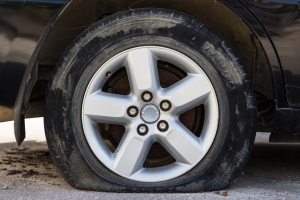
A flat tire will always happen at the worst possible time. Without warning, your tire will blow out, which will mean that you’ll have to look for a safe space to pull over. We hope this won't happen when driving in Bowie, MD, but we'd like to tell you how you can easily fix this problem. Easy Steps to Follow If You Get a Flat Tire Find a Safe Place The most important first step is ensuring you and your car are in a safe place. When you change a tire, all your focus is on the task. Make sure that your car is as far from moving vehicles as possible. more Gather Your Tools Changing a tire requires your tire iron or lug wrench, jack, and spare tire. In addition, if you have cones or road flares, you can place them a safe distance behind your car to warn other drivers. It's advisable to check the condition of your spare regularly to ensure it's in good condition if needed. Ensure your transmission is in park mode and your emergency brake is engaged. This helps prevent your car from moving while you work. Loosen the Lugs The lugs hold your tire in place, and they're very tight. It requires brute force to loosen them, and they turn counterclockwise. If the lugs are loose now, removing the tire when the wheel is off the ground is easier. Place the Jack Your Honda has several jacking points on its underside. These points allow you to lift your car without damaging anything. The exact points for your model are listed in your car manual. Place the jack under a jacking point and slowly lift your car until the flat is completely off the ground. Replace the Tire Remove all the lugs from the flat and place them safely to one side so they don't roll away. Once the lugs are removed, remove the flat, and position the spare over the wheel studs. Positioning can be difficult as you must balance the spare and rotate it to match the studs. An easy way to do this is to put your foot under the spare to give you extra balance. Carefully insert the lug nuts into each wheel stud. Once all the lugs are in place, tighten them by hand, then use the tire iron to ensure the lugs are snugly in place. Lower Your Car Carefully lower the jack until your tires are back on the ground. Use the tire iron again to tighten all the lugs until they're securely in place. Finally, pack your tire iron, jack, and flat into the trunk and drive away. Now you know the easy steps to change a flat safely. Visit our service department at DARCARS Honda, and we can fit a new tire or replace your spare.

Iignition coil | Bowie, MD

The Top 5 Signs of a Faulty Ignition Coil

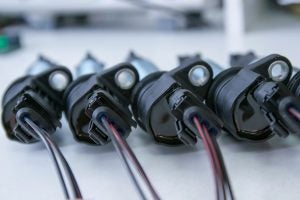
Ask any Honda dealer, and they'll tell you the repercussions of a faulty ignition coil can be far-reaching, especially if the issue isn't rectified quickly. Engine failure is the worst-case scenario, so knowing the signs of a failing ignition coil is essential. Honda Dealer Reveals the Top 5 Signs of a Faulty Ignition Coil 1.    Check Engine Light Is On If your check engine light is on, it could mean the ECU has detected a misfire or faulty coil in one of the cylinders. But you could also look at a defective spark plug or a broken sensor. Either way, taking your car in for a diagnostic scan when the check engine light comes on is best. A professional-grade scanner can figure out the actual cause of your check engine light. This can help eliminate costly guesswork and can help you avoid unnecessary repairs. more 2.    Stalling or Hesitating Engine If your engine stalls out, it can indicate a bad ignition coil or spark plug malfunction. It's common in older cars with high mileage, but even newer vehicles are susceptible to this problem. This is especially true when dealing with a coil pack system. Neglecting this problem can lead to further damage, so make sure you get your car checked out as soon as possible. 3.    Rough Idling It's normal for your car to idle rough when it’s cold outside. But a bad ignition coil can also result in erratic revving, even on a warm day. If you suspect a bad ignition coil, have your dealership inspect the engine and individual coils. You could look at clogged fuel injectors or a dirty air filter, and the dealer can help solve those issues before installing the new coils. 4.    Reduced Power and Acceleration If your car is losing power, it could be due to a failing ignition coil. This can cause slow acceleration, often accompanied by sputtering or backfiring. You risk serious mechanical issues if this problem isn't addressed in time. We are talking about misfiring that could lead to significant engine damage or even an accident. 5.    Decreased Fuel Economy When your car's fuel economy decreases, it could be a sign that one of the ignition coils is failing. Each misfire uses more fuel than necessary, and the combustion efficiency drops. This issue can lead to poor performance and higher emissions. The best action is to replace the faulty coils with high-quality OEM components. Ignition coils are a critical component of your car's engine, and any sign of malfunction should be taken seriously. If you notice any signs we've discussed in this post, visit DARCARS Honda today and have your car checked out by one of our experienced technicians. We'll help you get back on the road in no time!

Oil being poured into engine | Bowie, MD

Driving in Maryland: How Do You Check the Oil Levels on Your Car?

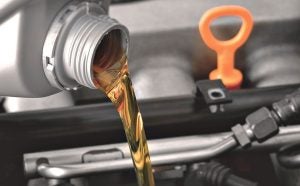
If you're a car owner in Bowie, MD, it's essential to monitor your car's oil levels as part of routine maintenance. Checking your oil levels regularly can help ensure your engine is running smoothly and prevent costly repairs down the line. Don't worry if you're not sure how to check oil levels in your car: it's a simple process that can help you keep your vehicle in top condition. Locate the Dipstick Before you begin, ensure your car is parked somewhere level, and the engine is cool. It's best to wait about twenty minutes after the car has been turned off. Once you're ready, locate the dipstick. It's usually a brightly colored loop-shaped handle sticking out of the engine block. It may be located in a different spot in some cars, so consult your owner's manual if you need clarification. more Check Oil Levels Pull out the dipstick and wipe it clean with a cloth or paper towel. Then reinsert it back into the dipstick tube and make sure it's pushed in all the way. Pull out the dipstick again and take a look at the oil level. The dipstick should have two marks: a "low" mark and a "full" mark. Ideally, the oil level should be between these two marks. When To Add Oil If the oil level is below the "low" mark, it's time to add more oil. Check your owner's manual for the recommended oil type and amount for your car, and add a little bit at a time until the oil level is between the two marks on the dipstick. Overfilled Oil You may have overfilled the oil if the oil level is above the "full" mark. This can lead to problems with the engine, so it's important to drain some of the extra oil out. You can do this yourself if you know how, or you can take your car to a mechanic to have it done. Make It a Habit It's important to check your oil levels regularly, at least once a month, and to change the oil and oil filter according to your car's recommended maintenance schedule. That way, your engine will stay lubricated and run as smoothly as it's supposed to. Get Help From Your Local Dealership in Bowie, MD Establishing a relationship with the service department at your local car dealership can be a great idea. You can feel more confident knowing that any potential problems with your car will be caught and addressed promptly. Plus, building a relationship with your local dealership's service department can be a great way to stay informed about any upcoming maintenance needs for your car. Checking your car's oil levels is an easy and important task that every car owner should know how to do. By following these simple steps, you can help keep your engine running smoothly and hopefully avoid costly repairs down the road. To meet your new favorite mechanic, contact DARCARS Honda and schedule a service today!

Pouring Oil into Car Engine | Bowie, MD

How Often Should You Get a Honda Oil Change?

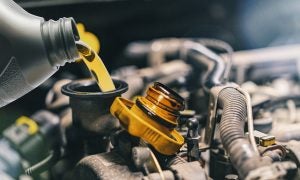
At one time, the standard oil change frequency for all vehicles was every 3,000 miles or every three months, whichever came first. However, due to engineering advances, that's no longer the case for every car. Honda owners wonder how often they should get a Honda oil change. The answer is that it depends on what year your vehicle was manufactured. Manufacturer Recommendations If your Honda was manufactured before 2008, you should follow the standard guideline of getting your oil changed every 3,000 miles or every three months, whichever comes first. Vehicles that were manufactured between 2008 and about 2015 can usually drive for about 5,000 miles or six months before getting their oil changed. more Newer cars manufactured after 2015 can often wait for an oil change until there are 7,500 and 10,000 miles on the odometer. Factors That Require More Frequent Changes While it is true that advances in engineering and oil technology have reduced the need for frequent oil changes, some factors can cause the oil in your car to break down faster than it normally would. If your driving habits include one or more of the following conditions, you'll want your oil changed more frequently than recommended. You drive aggressively (accelerating and braking quickly) You find yourself in stop-and-go traffic frequently You live in a cold-weather state You frequently drive short distances How to Tell That It's Time for an Oil Change The Color of the Oil When motor oil is clean, it's a translucent amber color. You can see through it to the metal on your dipstick when you check your oil level. If it needs to be changed because it's dirty, it will be an opaque dark brown or black color. You will not be able to see the dipstick through it during oil level checks. You can also bring your car to a service center to check the color. Your Car Reminds You Most newer vehicles come equipped with maintenance reminders telling you when it's time to change your oil. In your Honda, you'll see a light illuminate on your dashboard when 15% of life is left in your oil. You'll want to schedule your oil change at this time or shortly after that. However, remember that this light is only a guide. Your driving habits are still essential to keep in mind when planning your maintenance frequency. There's a Knocking Sound In Your Engine The main function of motor oil is to keep the parts in your engine lubricated and moving against each other smoothly. If your oil is dirty, or you don't have enough oil in your car, you'll likely hear a knocking or rattling sound from the engine. This sound is coming from the parts hitting each other without the benefit of lubrication. Have your car inspected at the same time as your oil change to ensure no damage was done. The frequency of your oil changes depends heavily on your driving habits. However, at a minimum, follow the manufacturer's recommendations as indicated in your owner's manual. Contact DARCARS Honda to schedule your oil change and maintenance appointment today.

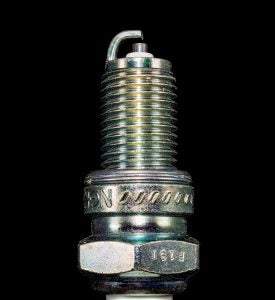
Spark Plug close up | Bowie, MD

Driving in MD: Does Your Car Need New Spark Plugs?

Spark plugs are among the busiest of parts in your entire engine. A typical plug fires off 400 times per minute using 12,000 to 25,000 electricity. Inevitably, plugs eventually wear down and start to fail. If one of your plugs falters, your drive around Bowie, MD, will rapidly become less smooth, and your car might undergo serious damage, so here are four key signs of plug trouble to look out for. Does Your Honda Need New Spark Plugs? Falling Fuel Efficiency When a single plug weakens, that cylinder will no longer generate as much power. Fuel is still being injected into the combustion chamber, but the plug is struggling to keep up. As a result, the fuel could be burned more efficiently, and you'll find your car traveling less far between gas stops. Misfiring Engine When the constant combustion process inside a cylinder is interrupted by a faulty plug, it's called misfiring. You'll experience misfiring in various ways. more Most notably, your engine will lose power and acceleration. It might feel hesitant or start to shake when you accelerate. Misfiring can sometimes be due to a cold engine. Give it time to warm up, and if the problem persists, you might have a problematic plug. Stalling Engine As the failing cylinder struggles to keep up with the other cylinders, the engine will idle roughly when you pause at a traffic light. It will jolt and judder strangely. It might even stall. And then you might have trouble starting it up again. Thickening Exhaust When the malfunctioning plug fails to burn up all of the injected fuel, an excess of unburned fuel can build up inside the combustion chamber. This unburned fuel causes all sorts of problems. For one, it usually coats the plug in a sooty residue, further inhibiting the plug's ability to function. Worse than that is when the unburned fuel starts to leak out through the exhaust pipes. You'll see it emerge from behind your car as thick black smoke. On its way out, this fuel can cause much damage to your catalytic converter, which is an expensive part to repair. Have Your Plugs Inspected in Bowie, MD As soon as you suspect a failing plug, have it examined by a qualified technician at your nearest dealership. The technician will clean the area near the plug to avoid contamination. They'll then take the plug out and check it for soot deposits, burned electrodes, cracks, or other damage. They'll also clean the socket and try to diagnose any underlying problem which might have caused the plug to fail. Sometimes plug trouble can be due to a faulty ignition coil, improper torque, bad gapping, improper heat ranges, chemical contamination, poor installation, or another issue altogether. The plug will finally be cleaned or replaced, and any underlying problems will also be repaired. Have your plugs inspected today at DARCARS Honda of Bowie. We're a trusted local dealership with a large inventory of reliable, affordable Honda vehicles. Image by Josch13 from Pixabay

Car Safety Inspection | Bowie, MD

How Long Has It Been Since Your Last Honda Car Safety Inspection?

A car safety inspection at your local Honda dealer can ensure your vehicle is safe to operate on the road. Understanding the requirements regarding vehicle safety inspections in Maryland can help you ensure you do not miss any inspection deadlines. How Do I Obtain a Car Safety Inspection in Maryland? Fortunately, obtaining a safety inspection for your vehicle in Maryland is not difficult. You can obtain an inspection by scheduling an appointment at your local Honda dealer. A safety inspection station, such as your dealer, is authorized to perform inspections on passenger vehicles, SUVs, and light trucks. more What Do I Need to Obtain a Safety Inspection? You will need to show proper registration for your vehicle to obtain a safety inspection. If you purchased a vehicle that did not have a safety inspection, you might be able to obtain a 30-day waiver via the Maryland Motor Vehicle Administration. This waiver will allow you to legally drive the vehicle to a safety inspection station, such as your local dealer to obtain the inspection. When Are Safety Inspections Required in Maryland? If your vehicle was registered previously in another state, you must obtain a safety inspection in Maryland. It should be kept in mind that you have 60 days after you relocate to Maryland to obtain a new inspection in Maryland. You are allowed 90 days to obtain a vehicle inspection after purchasing a new vehicle in Maryland. What If Your Vehicle Does Not Pass the Inspection? In the event your vehicle does not pass the inspection, you will not be able to receive a safety inspection certificate. In this situation, you will receive a report detailing the safety standards your vehicle did not meet. After fixes have been made to your vehicle, you will need to return it to the same safety inspection station to have it inspected again by the same mechanic.   To address the areas of concern noted on the report, you may choose to make repairs on your own or take your vehicle to another repair facility. Only the areas of concern will need to be re-inspected if you return your vehicle for re-inspection within 30 days of the first inspection, provided that you have not driven your vehicle more than 1,000 miles.   Obtaining a safety inspection is an excellent way to ensure your vehicle can operate safely. Understanding when safety inspections are required in Maryland and what is involved in obtaining a safety inspection will help ensure that you have met legal requirements. Call our team at DARCARS Honda in Bowie, MD, to schedule an appointment for your vehicle safety inspection today.

Car Broken Down | Bowie, MD

Driving in MD: What Should You Do if Your Car Breaks Down?

A car breakdown is always a hassle, but it doesn't have to be the end of the world. In Bowie, MD, excellent emergency services can help you get back on the road or tow your Honda to the next service station. After the issue has been fixed, you can take your car to the dealership to have it inspected. This should help to make sure that you don't experience another breakdown in the future. Driving in Bowie, MD: What Should You Do If Your Car Breaks Down? If your car breaks down, you can call Honda roadside assistance, an emergency service that is available 24/7 to people who have bought a new Honda from the dealership. Keep the number in your car, so you don't have to look for it when you're stuck at the side of the road.   The roadside assistance team can help you with several issues. They can unlock your vehicle if your keys have broken or you've locked them in, deliver fuel, jump-start your car, or replace a flat tire. If an issue can't be addressed onsite, they will tow your car to the nearest service center. more Getting the Car Inspected By a Specialist Sometimes, a breakdown happens for a reason outside your control. For example, there might have been a shard of glass on the ground that punctured your tire. But at other times, the breakdown indicates a bigger problem with your Honda.   If you've had several issues in the last few weeks or haven't seen a dealership mechanic in more than a year, take your car to DARCARS Honda. We can check that nothing is the matter with the vehicle and ensure it is still safe to drive. This should help ensure that you won't break down again in the next few months. Preventing a Future Car Breakdown The best way to prevent a breakdown is to see your mechanic regularly. Most Honda cars need to be serviced at least once a year, but the inspection frequency depends on your vehicle's age, the engine you have, and how much you drive.   The best way to find out more about your car's service needs is to contact us and ask. Since our mechanics have years of experience with Honda models, they will be able to tell you exactly what your model needs. Moreover, they will always fix your car with original Honda parts, so the repairs won't affect your warranty.   Always keep information about emergency services in your car, so you don't have to look for it at the worst possible moment. Once you've resolved your situation, you can take your car to the dealership to ensure no bigger problems. Give us a call at DARCARS Honda to book your appointment with our experienced service team. Photo by Tim Samuel

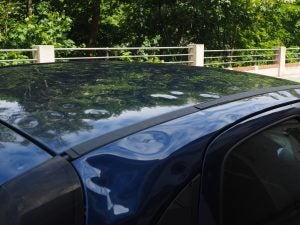
Dented Car | Bowie, MD

What Should You Do if Your Honda Is Scratched or Dented?

The occasional bump or scrape with tree branches or other vehicles is an unfortunate part of a driver's life. No one likes having the pristine bodywork of their elegant Honda marred by car scratches or dents. If you notice unsightly scratches or disfiguring car dents on your paintwork one day, you can try the following effective solutions. And you can always visit your local Honda dealer to have a technician fix it. What to Do if Your Honda Is Scratched or Dented in Bowie, MD? Many shallow scratches can be repaired easily enough at home. If the scratch is so deep that it removes the paint's bottom layer, revealing the metal beneath, then you'll probably need a touchup of paintwork. But if only the upper layers of clearcoat and primer have been scratched away, you might want to try the following quick fixes. Use Scratch Remover Cloth You can buy scratch remover cloth at any auto parts shop. These cloths are made of an abrasive material filled with metal powdering. They work wonders on light scratches. Just rub at the scratch until it begins to diminish. Make sure you follow the directions that come with the scratch remover cloth. more Use a Scratch Remover Compound Polish Slightly deeper scratches can often be smoothed away with a suitable compound polish. These products contain polishing agents with wax and clear polymers which fill shallow abrasions. Research which polish would work best for your car's brand and model, and follow the rubbing instructions for that specific polish. Use a Car Scratch Repair Pen These handy little pens resemble highlighter pens with a wide flat nib. Instead of ink, they apply a hardening lacquer to the scratch that fills in the scraped-away clearcoat and primer.   Before using a scratch repair pen, as with any bodywork job, clean the area well. Then, draw slowly over the scratch. Wait a few minutes for the lacquer to dry; your scratch should have disappeared. Deeper scratches might require a few more layers. How to Fix Car Dents Dents can be trickier to fix at home, but it might be worth a try. You need to grip the metal somehow and pull it outward. A suction cup dent removal kit will usually be your best bet.   Before applying the suction cup, heat the metal with a blow dryer. This makes it more amenable to popping out. Then apply the cup and heave outward until the dent pops out. Ask Your Honda Dealer to Demonstrate If you've never fixed a dent before, asking a professional to show you how is a good idea. Someone at your local dealership might be happy to help. Ask them if they’ll demonstrate using your dent removal kit so you can repeat the process in the future.   Have dents or scratches repaired today at DARCARS Honda of Bowie. Our friendly, knowledgeable staff is ready to help with all your vehicle needs. Image by Hans from Pixabay

Car being waxed | Bowie, MD

Driving in MD: How Often Should You Wax a Car?

It doesn't just give your car that glossy, well-cared-for finish and protects against the pressures and contaminants that will degrade your paintwork over time. But when it comes to timing your use of wax, car maintenance advice varies. Read on for our guide to using it most effectively in Bowie, MD. How Often Should You Wax a Car in Bowie, MD? Best Intervals to Wax Car You might not be able to tell when your car needs waxing by looking at it, so it's a good idea to schedule waxes alongside your existing maintenance regime and pencil it in with routine checks such as oil changes and tire rotations. The minimum number of waxes your car should receive to protect it from the environment is two a year, so about once every six months.   However, your car will benefit most from four wax applications a year, about once every three months, to give it maximum protection and a year-round deep shine. If you usually keep it in a garage or under cover, it will need waxing less, and new cars need less wax than older ones. more The Protection Offered By Waxing Car wax effectively tops up your car's clear coat and keeps the paint sealed and defended. This protects it from the sun's UV rays, which can leave it faded and dull, and rain, sleet, and snow can cause rust. Environmental contaminants such as tree sap, pollen, and road salt can also affect your car, so waxing provides an extra layer of defense against those. Maximizing the Protection of Waxing by Season Waxing protects against the UV rays of sunlight in the summer and the harsher weather in winter. It's best to ensure that you wash away the contaminants and apply a layer of wax before each of these seasons commences. If you're planning to wax your car four times a year, then it's a good way to mark the changing of each season.   However, winter is the harshest season for your car. Ice, snow, and hail can breach the clear coat. Mud mixed with road salt and grit might stick to the car, bringing corrosive contaminants in direct contact with the car's paint. It might benefit from shorter intervals between waxes at this time of year, while the milder summer conditions mean that you can leave it for longer in the warmer months.   Waxing keeps your car looking sleek and well-loved, but it also prevents the development of long-term problems and protects the resale value. And to ensure that the rest of your maintenance schedule keeps your car healthy and running smoothly, you can contact us at DARCARS Honda to discuss your servicing requirements. Photo by Orhun Rüzgar ÖZ

Mechanic Diagnosing | Bowie, MD

Does Your Honda Have Electrical Problems?

Electrical problems can strike at any time. This fact makes regular auto services important, as they can help to prevent these electrical issues. As your Honda dealer, we're experts at diagnosing and repairing electrical issues. These are some problems you might encounter with your vehicle. Electrical Problems? See Your Honda Dealer Random Glitches Electrical power can seem very strange at times. One of your car's devices, for example, the radio, can suddenly fail for no reason. A little while later, it'll work again as though nothing happened. If this behavior doesn't repeat itself, it's just one odd way that electricity can behave. You most likely have an electrical issue if you experience various seemingly random problems.   The main cause of repeated electrical issues is a worn alternator. The alternator is responsible for producing electricity for your engine. When the alternator gets older, it becomes weaker and can't produce the level of power it once did. The lack of power will manifest itself in random electrical glitches as your car's computer shifts the limited available power from component to component. more Worn Ignition Coils Combustion requires fuel, air, and a spark. Each cylinder has a spark plug that ignites as soon as compression inside the cylinder has reached its height. A spark plug produces 12 volts, which isn't enough power to ignite the fuel-air mix. An ignition coil connects to each spark plug, increasing the power output to 30,000 volts. This extra charge fires the fuel-air mix.   Ignition coils can wear out just like any other component. A failed coil will prevent its attached spark plug from firing, and this causes a misfire. If you have a misfiring issue, the ignition coils are one of the components we'll check. Our technicians will test the coils and replace any bad ones. We'll also check your spark plugs; if they're working correctly, your engine should be running efficiently again. Starting Problems It's incredibly frustrating when you turn the key in the engine, and nothing happens. Your Honda engine should immediately leap to life. If this doesn't happen, the three suspects are your starter, the alternator, or the battery. The battery provides the charge that starts your engine. A worn-out battery may not have enough power to start your engine.   The alternator could also be the problem, as it supplies the power that recharges the battery. A worn alternator might not provide enough power to recharge the battery. Finally, the starter solenoid may have failed. The solenoid takes the electrical charge from your battery and initiates the crank. A worn solenoid won't crank your engine.   Electrical issues have many varied forms. If you have a problem, call us ASAP at DARCARS Honda or schedule a service appointment online!

Contact Us

Fill out this form below and we'll contact you shortly
*Required Fields